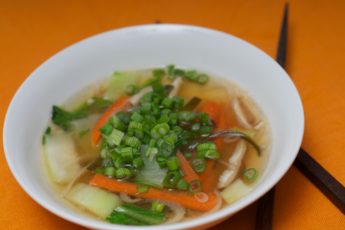
Nourishing Miso Noodle Soup

I have grown up in a culture that is obsessed with noodle soup, except the base isn’t miso, it’s chicken! There is nothing wrong with this, as chicken soup is for the soul…right? It will cure any ache, pain, cough, cold or flu and it must be served by your mom! The nostalgia and truth still reigns truth (and reality) for so many, but not for me. Since chicken noodle soup has been out of my  life for almost a decade, I have had to come up with other alternatives.

The wonderful result of this is non other than Miso – the wonder paste that makes the most nourishing base for a soup or broth. I have been using Miso for years now. I have tried different, brands, different varieties and no matter what – you will always have an amazing soup. ( I love Tradition Miso)

Facts about Miso:

Miso is a traditional Japanese food, and it is loaded with enzymes and vital nutrients. It is typically made with fermented soy, a grain such as rice or barley, koji (bacterial starter) and salt. It has a texture like peanut butter. Stay away from miso powders and dehydrated versions as they are loaded with excess sodium and other stabilizers and simply don’t taste as good.

Other than that – just have fun with your bowl or cup. It can be as simple as just the miso paste and water, or you can load it up with veggies and sea vegetables to up the nutrients, enzymes and overall vitality of your bowl of soup. And of course, it will just never taste as good unless it has some noodles in there. I use brown rice noodles and I also like to add in loads of sea veggies. Whether it is wakame, arame or sea spaghetti.

One thing to note about miso, is that you should never add it to boiling water or water heated too high (above 104F). If miso is heated, it’s nutritious enzymes and minerals will diminish. So be careful how you prepare it! 

Why is it good for you:

Miso paste is vegan and can also be gluten free (as long as you buy one that is based with brown rice instead of barley). Miso is a beneficial digestive aid – as it helps to get your stomach enzymes working before a meal. Also if you are not hungry, leave it to miso to bring on your appetite and coat your stomach. That being said if you have an upset stomach, (diarrhea, constipation) miso will also help to balance out this discomfort. It is loaded with a natural  bacterial culture that works to replenish and build up your gut. It is also rich in plant based protein. It contains a natural form of salt and sodium, so if you need a dose to replenish your body after an intense workout or even if you just have a headache or feel light-headed from sugar, a bowl of miso soup is your answer. As it will ground you and bring you back into balance. Miso is also known to be effective in reducing the effects of radiation, smoking, air pollution and other environmental toxins.

Types of Miso:

The darker the colour, the more potent its medicinal properties. However there are also lighter varieties that are a bit sweeter. Light or shiro miso is great for salad dressings, marinates or just a great compliment to dark rich miso in a soup.

Nutrient-Rich Country Miso Soup

Ingredients:

10 cups water

4 – 8 dried or fresh shiitake mushrooms

1 inch piece of Kombu

1/2 cup wakame (aka Seaweed) – soaked for 5 minutes and cut into bite size pieces

4 pieces of kale or bok choy (with stems removed) and cut into bite size pieces

2-4 stalks of celery, cut crosswise into small slices

2 large carrots, peeled, halved and cut into small pieces

1 small onion, halved and cut into slices

1 cup of miso paste (1/2 dark and ½ light)

3 green onions

1 package of brown rice noodles cooked according to package (prepared separately).

Procedure:

1.    Bring the 10 cups of water in a pot up to a high heat, lower heat and add the strip of Kombu and half of the shitake mushrooms (this adds extra nutrients to the soup broth.)

2.     Let the water come to a simmer for 15-20minutes with the onion, carrots and celery.

3.     At the end of the 20 minutes, add the rest of the shiitake mushrooms and simmer for another 10 minutes.

4.     Following this add the kale or bok choy. Let the soup simmer for a final 10-15 minutes.

5.     Remove 1-2 cups of liquid and stir the miso paste* in a separate bowl. Once dissolved, add the mixture back into the pot. Turn off the heat and stir.

Serve Soup in bowls and garnish with chopped green onions.

** Always add Miso paste at the end. Miso is very delicate and should never be boiled. It will destroy it’s natural enzymes.

Don’t feel like making a whole pot of soup?

Just warm up a some water to fill a mug or a small bowl and stir in 1 tablespoon of miso to warm up your soul, before, during or after a meal – or anytime for that matter!

Have you ever made Miso soup? What goes into it?

Who needs Alfredo?

I certainly don’t, and neither do you! For more reasons than one. First of all Alfredo sauce is loaded with loads of butter, cream, milk and cheese. Yup, all in one recipe. That is a heck of a lot of work for your body to digest and for your heart to work. But the good news is that you don’t need Alfredo or a cream based sauce to have a delicious bowl of “creamy” noodles.

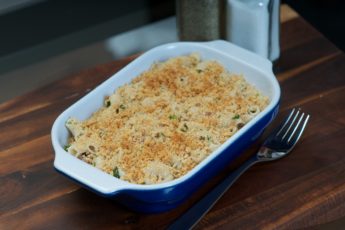
Baked “Tuna” Casserole


Once you make this recipe – you will never look a bowl of Alfredo or creamy pasta the same way. This recipe was created for my sea vegetables class – as a pseudo take on one of my favourite childhood meals “tuna casserole”. I used to love the stuff. Big white noodles loaded with tuna and cheesy sauce (kind of like an Alfredo). It was my absolute all time favourite. In fact anything with noodles and cheese made me very happy.

Being able to simulate that experience with amazing wholesome ingredients brings a smile to my face – gluten free brown rice noodles, a creamy sauce made from tahini along with some soaked, fresh torn wakame to give it that “salty” sea taste. The wakame is also adding a whole bunch of other nutrients and minerals into this dish as sea vegetables are super nutritious!

My cravings for this dish come every so often, and when they do– I can’t stop eating it. I can almost eat half of the amount I make each time because it just melts in your mouth.

It’s also that time of year when I actually feel really good about sitting down to a whole bowl full of noodles!

Okay, I will stop the teasing and get to the recipe – which doesn’t look all that exciting. But you just wait; you will not need Alfredo or cream based sauces ever again.

Enjoy this dish along side a bowl of steamed kale, a dark leafy green salad or some miso soup.

Happy eating!

Baked “Tuna” Casserole


What’s in it?


1 small onion, cut into thin slices

1 tablespoon sesame oil

1 cup wakame, soaked in cold water for 5 minutes, removed and chopped

2 tablespoons tamari

1 package of brown rice noodles or quinoa spiral noodles (Tinkyada Brand)

¾ cup water

½ cup tahini

5 tablespoons tamari

1/2 cup wheat free/gluten free/brown rice bread crumbs

How it’s made!

  1. Preheat oven to 375 F
  2. Sauté onion in sesame oil until transparent. Place wakame on top of onions. Add tamari, and cook for about 10 minutes until the liquid is absorbed.
  3. In the meantime, cook noodles until done. Drain and set aside.
  4. Mix together tahini, tamari and ¾ cup water until smooth. If the sauce should curdle, continue mixing.
  5. Mix onion, wakame mixture, noodles and tahini sauce together. Cover with breadcrumbs.
  6. Bake for approximately 20 minutes.