How to Get Iron from Vegetarian Sources

Originally posted on Chatelaine

Iron is an essential nutrient because it is a central component of hemoglobin, which carries oxygen in the blood. Iron is found in food in two forms: heme and non-heme iron. Heme iron, which makes up 40 percent of the iron in meat, poultry, and fish, is easily absorbed. Non-heme iron, which accounts for 60 percent of the iron in animal tissue and all the iron in plants (fruits, vegetables, grains, nuts), is less easily absorbed.

Some people might expect that since vegetarian diets usually contain forms of iron that are not easily absorbed by the body, vegetarians might be prone to developing iron deficiency anemia. Of course, when a diet isn’t carefully planned, then iron deficiency is a risk. However, with a balanced diet including iron-rich plant-based foods, a vegetarian can achieve a healthy iron reserve.

Vegan diets only contain non-heme iron, which means that it is essential for vegetarians increase their intake of non-heme iron sources. There have been some studies indicating that many vegans actually have a satisfactory iron status, which could because many common plant-based foods are high in iron. Two facts support this:

1. Most plant-based foods, such as greens, have more concentrated levels of iron and are absorbed by the body more readily than meat, not to mention that greens and veggies are also lower in calories!

2. Vegan diets are high in vitamin C, which has the ability to increase absorption of non-heme iron. This means that adding a vitamin C source to a meal — such as oranges, broccoli or peppers — increases non-heme iron absorption up to six-fold, which makes the absorption of non-heme iron as good or better than that of heme iron.

Fortunately, many vegetables high in iron — like broccoli and bok choy — are also high in vitamin C and therefore have easily-absorbed iron. This means that when balanced vegetable-based meals contain combinations like beans and tomato sauce or stir-fried tempeh and broccoli, generous levels of iron absorption will result.

Another thing to keep in mind is that coffee and tea can actually reduce iron absorption. In that case, it would be ideal to avoid these drinks, as well as calcium supplements, for at least several hours before a high-iron meal.

Here are some other excellent plant-based iron sources:

Soybeans, cooked: In the form of organic tempeh or tofu added to stir fry, sandwiches, salads and whole grains.

Apricots and figs: Can be added into baked goods, granola, trail mix, or eaten on their own.

Lentils and chickpeas: All varieties, cooked into soups, dips, salads, or stews

Spinach and kale: Lightly steamed or added to a smoothie, soup, sauce, pasta or whole-grain dish.

Quinoa and millet: Cooked and made into a salad, pilaf, or breakfast cereal

The good news is that vegetarians and vegans can definitely get adequate iron from a plant-based diet, as long as they do some preplanning!

Quinoa with chickpeas and spinach

Ingredients:
1 cup quinoa, rinsed and drained
1 cup water
¾ cup fresh squeezed orange juice (2 oranges)
½ teaspoon sea salt
zest from two organic oranges
1 tablespoon extra virgin olive oil
1 medium onions, chopped
3 garlic cloves, minced
½ cup organic raisins
1 cup cooked chickpeas (or organic canned)
1-2 cups spinach leaves, trimmed, washed, drained and dried
salt to taste
½ teaspoon cinnamon
¼ cup toasted pinenuts or almonds
1 orange cut into wedges

Directions:
1. Rinse the quinoa well and drain in a fine-mesh sieve. Combine water and orange juice (to equal 1 ¾ cups) and bring to a boil in a 1.5- or two-quart saucepan. Add salt, orange zest, and rinsed quinoa. Return to the boil, reduce heat, cover and simmer for 15 minutes, or until all the liquid has been absorbed. Remove from heat and let sit covered to fluff up.

2. While the quinoa is cooking, heat the oil in a large skillet with a tight-fitting lid. Add the onions and sauté over medium heat for 10 minutes, until they have softened and started to brown a bit. Add garlic and sauté until golden.

3. Add raisins, chickpeas, and chopped spinach. Cover and cook over medium heat for five minutes, or just until the spinach has wilted. Adjust heat if necessary. Drain any excess water after cooking the spinach. Season to taste with salt.

4. To serve, fold the vegetables into the hot, cooked quinoa. Stir in cinnamon. Garnish with toasted pinenuts or almonds and orange wedges for a final squeeze of orange juice (for extra iron absorption!).

Review: Chocolate Kale Chips…say what?

Chocolate Kale Chips

Well they have done it – matched two unlikely combination’s to make the perfect tastiest snack. Chocolate Kale Chips, can you think of a better combination? These are two foods that I tell people to eat just about everyday but why not eat them together? Not only that, their nutritional profile proves to be loaded with magnesium, calcium, iron, chlorophyll and fiber – delicious!

Blue Mountain Organics has truly proven to be a mastermind at creating to most unique blends of raw, organic snacks, treats, flours and desserts. I have had the extreme pleasure of enjoying their RAW Cashew Ice Cream (sorry no nutters, you are truly missing out). It is absolutely to die for! Words can’t even describe how good this frozen non-dairy dessert is. They also have a wide variety of unique supplements like carob powder, sunflower lecithin (soy free) along with sprouted beans and whole grains.

And of course some raw nut butter spreads from cashew, tahini, almond, pecan… you name it! They are called Better than Roasted because  for a RAW nut butter they taste pretty fantastic! Their online store, packaging and marketing is very cute, friendly and inviting. If you aren’t teased into at least buying 5 items on their website, I would be shocked! (and please make sure that Chocolate Kale Chips are on that order!!)

What is also truly amazing about all of their products, (and obviously why I am such a supporter) is that they are all superfoods, gluten free, dairy free, vegan, raw, kosher and organic. I wish there was a Blue Mountain Store right here in Toronto! But for now I will have to just order online – and pick up what I can at various health food stores in Toronto.

If your going to use Supplements….

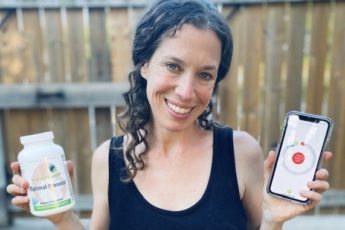
I am not big on pills, supplements or vitamins. However, there are those times when our body just need an extra boost to get through a bad cold, a bout of low energy or giving our bones a little strength. So when this is the case, your supplements should be sourced from whole foods and better yet raw ingredients. When I discovered Garden of Life’s Vitamin Code raw line, I tested it out, asked my questions and felt comfortable enough that  I had something that I could recommend and stand behind. I don’t “push pills” in my practice, I am a true foodie, and food always comes first. Even when I do consultations! I always provide a whole food meal plan and then make some supplement based suggestions based on what people are going through. This usually includes extra dose of pure vitamin C, iron or B- complex.  But other than that it is always a well rounded diet based in loads of fruits and vegetables!

I started taking Garden of Life’s Raw Vitamin C about a month ago, and I plan to take everyday throughout this season. I truly feel that is has kept my immune system protected so far! But who knows if it’s these capsules or the mega green juices that I make in the mornings along with at least 3 more servings of fruits and veg throughout the day?

But what I do know is that ingredients are from these products are from pure organic, raw fruits and vegetables. They also contain enzymes, and probiotics which allows your body to get the most out of each capsule (which may even shorten the length of time you actually have to take them). There are no fillers, preservatives, gelatin’s or sugars added. They are not heat treated like most other supplements (sorry, I can’t mention any name brands). When you heat treat natures natural vitamins and minerals and then pack it up into a capsule, it looses all of it enzyme integrity and there is nothing left for your body to soak up. There are way too many supplements available right now that are low quality, mostly synthetic and your body excretes them faster than they are absorbed.

It is also not necessarily true that everyone needs to be on supplements every single day, but as I said – as needed. Do your research first. Don’t just self prescribe, read through the information, feel what your body is going through and take supplements accordingly. Don’t just pop something because your friend does or you heard it on TV or in magazine. Find out what YOU need first and go from there. All I am trying to show you is that better versions do exist, so if you are going to take supplements, choose WHOLE and RAW ones!

This is directly from the Garden of Life website:

Vitamin Code RAW targeted nutrients are comprehensive, whole-food formulas made with RAW Food-Created Nutrients. Cultivated with their unique Code Factors intact, the RAW Food-Created Nutrients enable natural recognition of nutrients by your body, just as nature intended. Code Factors, compounds found in food, are necessary for proper nutrient delivery. Enhancing these formulas is the addition of a RAW pro biotic and enzyme blend along with a RAW organic fruit and vegetable blend for added nutritional support.

Get the best whole food experience – by adding SUPER FOODS into your diet! Join my Workshop “Super Foods for Super Health” on November 30th.


Have you tried any of their products? If so, which ones and why do you like them?

The Power of Sea Veggies

sushi 2I know you have heard of seaweed, also known as sea vegetables, and I know you have eaten them a number of times (whether you realize it or not) -but before you turn up your face and look the other way, let me tell you how amazing they are and what they can do for your health!

When I refer to sea veggies it is anything that, yes, grows in the sea and this includes nori (what your sushi is wrapped in), wakame (what is in your miso soup), arame (often in your seaweed salad), dulse, kombu, kelp, hijiki and the list goes on. The list even carries over to varieties of seaweeds that are in hidden forms of commercial foods such as ice cream, baked goods, jelly, salad dressings, chocolate milk and toothpaste. This is what I mean when I said you’ve eaten them many times before – and you didn’t even know it.

These little wonders, because they are grown in the deep depths of the sea, carry with them the highest doses of vitamins and minerals. All of which are essential to human health and daily nutritional balance. Sea vegetables are singularly the most nutrient dense food, as they are earth’s first vegetables and the best part is, is that they are delicious! Sea greens are a direct manifestation of their environment and therefore contain and abundance of minerals that is 7-38% of their dry weight. In such small amounts, seaweed contains more vitamins and minerals than any class of food. It supplies all the  minerals needed for human health in proportions very similar to those found in human blood. The most significant elements that can be found in sea greens are calcium, iodine, phosphorous, sodium,and iron. Sea veggies are also extremely rich in protein, vitamin A, B, C and E.

The health benefits of sea vegetables is so vast and incredible. They do everything from reducing blood cholesterol, removing metallic and radioactive elements from the body, and prevent goiter. So if you are suffering with a thyroid problem, like so many women these days, then sea veggies are for you! Seaweed also has antibiotic properties, counteracts obesity, strengthens bones, teeth, nerve transmission and digestion. Seaweed is also an incredible beauty aid as they help to maintain glowing healthy skin and contain anti aging properties. To me, this sounds like the perfect food!

(Source:  The New Whole Foods Encyclopedia by Rebecca Wood)

So how do you use sea veggies?

The garden of sea veggies is extremely versatile and they can be used in a number of recipes and incorporated into numerous styles of cuisine and compliment or accent many dishes from soups, salads and desserts. To explore this world of sea veggies and roll your own sushi, I encourage you to join me next Thursday October 8th at my Scrumptious Sea Vegetable class!

If you have ever used or tried sea veggies, share your story. Leave a comment and let us all know what you have done with Sea Greens!

Krunchy Kale Krisps

I love knowing that I can make “chips” from one of natures healthiest vegetables in my own kitchen. Kale chips have become a new craze in the Raw Food and Health world over the last couple of years. They serve a very important and satisfying purpose. They fulfill that salty, crispy, crunch that most people often crave every once in a while. Since these “chips” are full of delicious and healthy whole food ingredients, it makes them just that much better!

It doesn’t really take much to put them together. You don’t necessarily need a dehydrator, which is what is commonly used in most “raw” food recipes. So if you don’t have one, the good news is that you can just use your home oven (on a low temperature of course!). But if you have already gone the length and purchased a wonderful Excalibur dehydrator, then you may as well make your kale chips in there - as a dehydrator will preserve all the nutrients and enzymes  and ensure they don’t get “overcooked”, especially if they are only done at 115 F. If the oven is your only option, then you will need to keep an extra eye on them so that they don’t burn or shrivel up and disappear on you. Kale is a very tender green leafy vegetable that carries with it so many amazing nutrients.

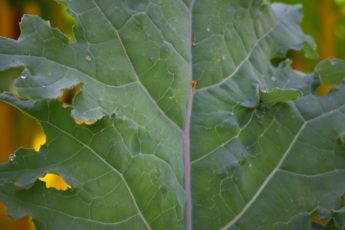
Kale truly is a superfood. Kale contains powerful minerals and vitamins that strengthen your bones, protect your eyes, cleanse your blood, prevent colon cancer and makes your skin glow (now who doesn’t want that!). This all because Kale is an exceptional source of chlorophyll, calcium, iron, magnesium, vitamin A and C.

So the next time you are perusing through the produce section, or at your local farmer’s market or in my backyard…then grab a bunch of kale and experiment with it at home. Making kale chips is one way and a great way. But also marinating it in a salad or steaming it with some olive oil are other delicious ways as well!

If kale  you want to get more familiar with kale in the kitchen, then you may want to check out my Green Goddess Cooking Class next Wednesday!

Zesty Kale Krisps

Ingredients:

1 bunch of kale, washed and torn
1/4 cup tahini
2-3 tablespoons tamari
2 tablespoons apple cider vinegar
1/4 cup water
1 clove garlic
1 juice of half a lemon
¼ teaspoon sea salt
2 tablespoons of nutritional yeast (can add more for a “cheesier” flavour!)

Procedure:

Place kale in a large mixing bowl. Combine the rest of the ingredients in a blender and blend until smooth to get a thick consistency. You may have to add more water. Pour over kale and mix thoroughly with your hands to coat the kale. You want this mixture to be really glued onto the kale.

In Dehydrator:
Place kale onto a Teflex sheet, and dehydrate for 4 hours @ 115 degrees. You’ll need to use two trays. Rotate kale occasionally to dry uniformly.

In Oven:

Place on parchment paper on a sheet tray, and bake on a low temperature for about 30 minutes. Keep and eye on them and turn them often to make sure they dry evenly.


You can use any variety of Kale for this recipe, however curly kale tends to taste and turn out the best!

Better than Timbits!

Chocolate Coconut-Almond Bliss Balls recipe below!

Of course these are better than timbits, because they are not even food. So really there is no comparison. (For those of you that don’t live in Canada – Timbits are donut holes!) I really should have titled this post “GREAT Balls of Bliss” – because the second you let one of these little gems break apart and melt into your mouth, there is no turning back-you are in bliss. But don’t have too many or you will be left with a tummy ache. Each little ball is so power packed full of nutrition – that you only need one or two to satisfy that sweet tooth or give you that much needed burst of energy. Just in case you didn’t know, timbits or donuts only do the opposite – they make you tired and sluggish – not to mention there isn’t one useful calorie in a donut. As they are filled with empty calories – meaning they contain refined white flour and white sugar and usually some low quality oils. Just for the record each “Bliss” ball is loaded with calcium, protein, fibre, iron, b vitamins, healthy fats and give you long lasting energy and make you feel great! So why not make something that looks just like it, is better for you and has a taste that is out of this world? Really there is not reason not to!

These little guys are so easy to make that all you need a food processor and some basic ingredients. What is also so much fun about making these, is that they are simple and they are not baked or heated. You can also sub in other ingredients and get creative every time you make them. If you or your child has nut allergies, you can use a seed based butter instead of almond butter or just just use pureed dates or figs. You also have the option of putting in all kinds of super foods like goji berries, spirulina powder, raw cacao etc… or you can just keep it to the basics like I did.

Chocolate Coconut-Almond Bliss Balls

3/4 cup almond butter
1/4 cup tahini
1/2 cup maple syrup
3/4 cup sesame seeds
1/2 cup cocoa powder
1 cup oat bran
1/2 cup quinoa flakes
1 cup coconut flakes

Procedure:

1. Add nut butter, tahini, and maple syrup to a bowl or food processor and blend until smooth.
2. Add sesame seeds, cocoa powder, oat bran and quinoa flakes and blend until mixture becomes like dough.
3. Scrape down sides of food processor as necessary. Spread coconut on a plate.
4. Rolled mixture into 1-inch balls and rolls in shredded coconut.
5. Cover and store in refrigerator for up to two weeks.